
Around the world, foodservice brands are looking for packaging that is both practical and genuinely eco‑friendly. Instead of relying on plastic or foam, more and more restaurants, cafés, and catering businesses are turning to tableware made from sugarcane bagasse—the fibrous residue left after pressing sugarcane for juice.
But how exactly does this agricultural by‑product become sturdy plates, bowls, and takeout containers? Understanding the manufacturing process behind sugarcane pulp products helps buyers evaluate quality, trace sustainability, and choose trusted suppliers for long‑term cooperation.
Step 1: Sourcing and Preparing Sugarcane Bagasse
The journey begins at the sugar mill. After sugarcane stalks are crushed to extract juice, a fibrous material called bagasse remains. Instead of burning or discarding it, forward‑thinking factories collect this residue as a valuable raw material for molded fiber tableware.
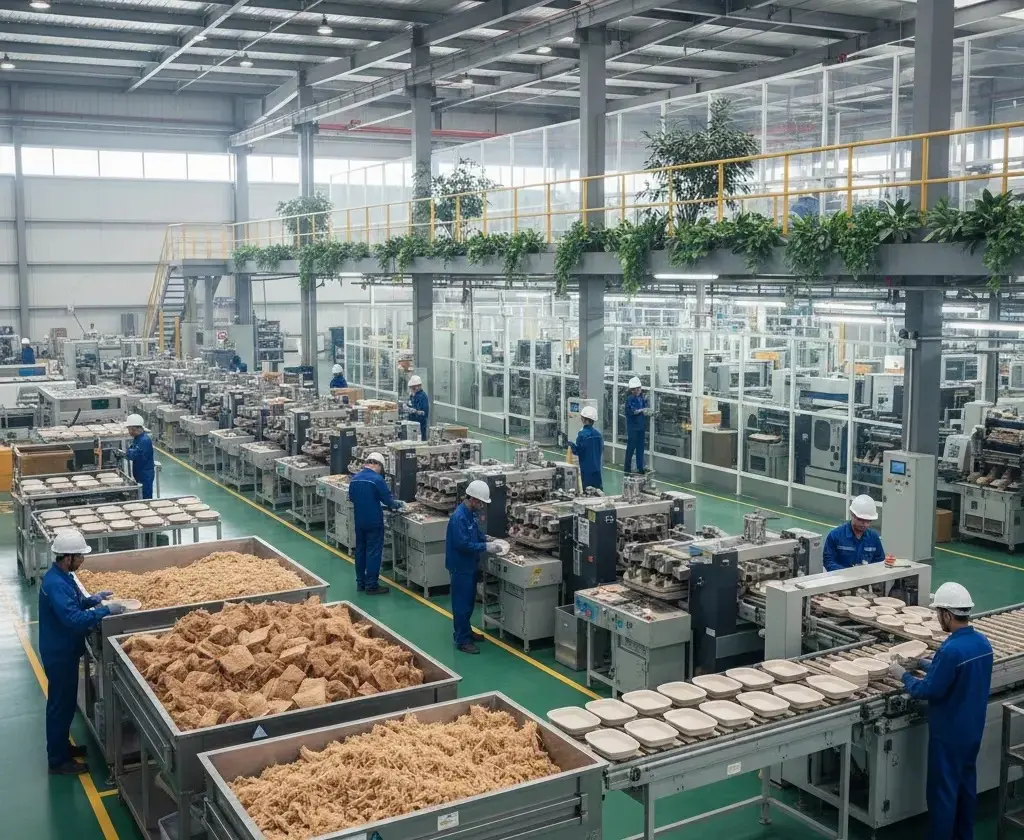
Once the bagasse arrives at the processing facility, it is carefully prepared. The fibers are sorted, shredded, and cleaned to remove dust, sand, and other impurities. This pretreatment step is essential to ensure that only clean, food‑grade fiber enters the pulping line, laying a safe foundation for the final products.
Step 2: Pulping – Turning Fiber into Formable Slurry
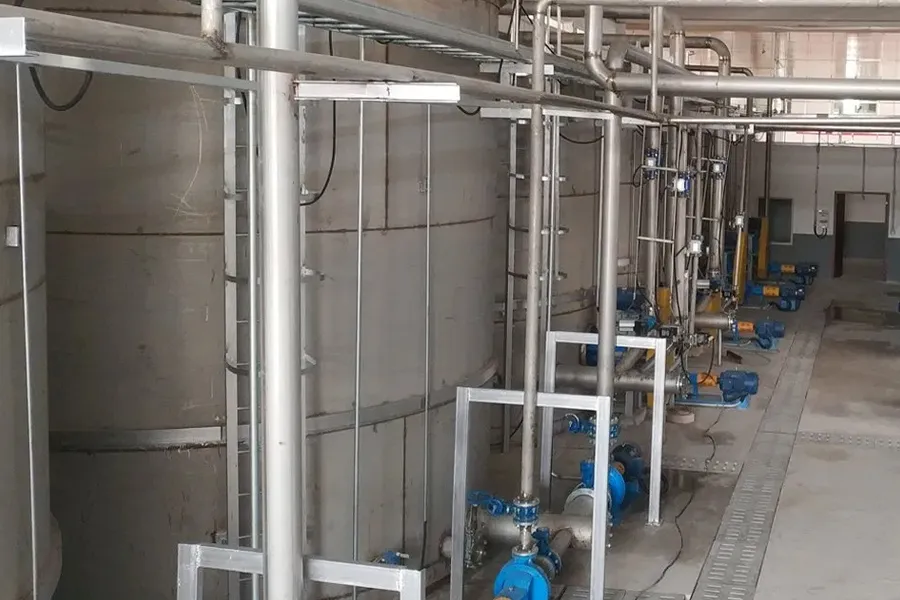
Clean bagasse fibers are then transformed into a workable pulp. Using mainly water‑based mechanical processes, the fibers are broken down and dispersed to create a smooth, uniform slurry similar to thick paper pulp.
Compared with traditional wood pulp, sugarcane bagasse usually requires fewer chemicals, because the fibers are softer and have already been processed once in the sugar mill. In many cases, no harsh bleaching agents or plastic binders are needed, keeping the pulp naturally suitable for direct food contact and supporting a cleaner, more sustainable production cycle.
Step 3: Molding Under Heat and Pressure
Once the pulp reaches the right consistency, it is ready to be shaped into tableware. The slurry is metered into precision metal molds designed for specific products—plates, bowls, clamshell boxes, trays, or custom food containers.
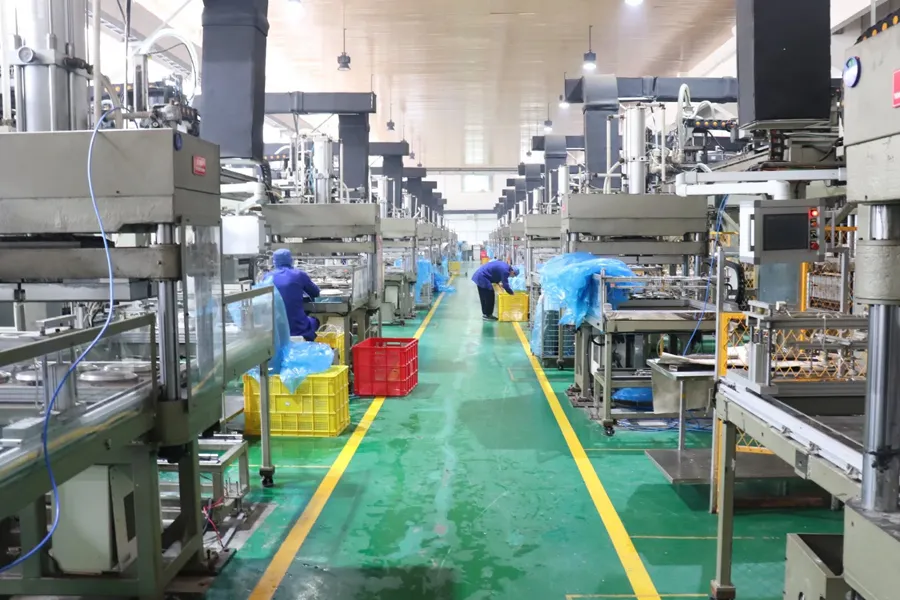
Inside the forming equipment, heat and high pressure work together to remove water and lock the fibers into a rigid structure. This molded‑fiber process is similar in principle to making thick paper products, but with tighter control and higher pressure to achieve strong, dense tableware that can stand up to real foodservice use.
Step 4: Drying, Trimming, and Surface Finishing
When items first come out of the forming molds, they are not yet ready for packing. Semi‑finished pieces still contain moisture and may have rough edges. They are transferred to drying molds or ovens, where controlled heat removes remaining water and stabilizes the final shape.
After drying, each piece passes through trimming and finishing stations. Extra edges are removed, surfaces are smoothed, and stacking is adjusted to ensure consistent quality. At this stage, manufacturers can also apply food‑contact‑safe treatments where required by customer specifications or local regulations, while still keeping the products fully compostable.
Step 5: Quality Control and Performance Testing
Before sugarcane pulp tableware can be shipped, it must pass strict quality checks. Reputable factories test products for structural strength, oil and water resistance, and temperature performance to ensure they meet foodservice expectations.
Typical tests include load‑bearing evaluations, hot and cold food trials, and, where applicable, microwave or freezer performance checks. Products are also inspected for dimensions, weight, and surface cleanliness. This combination of mechanical and visual testing helps guarantee that every batch delivers reliable performance from the production line to the dining table.
Step 6: Packing, Customization, and Global Shipping
Once approved, finished tableware is packed into cartons made from recyclable materials and prepared for shipment. For brands that want to stand out, manufacturers can offer customization options such as embossed logos, custom shapes, or printed sleeves that keep the core product plastic‑free and compostable.
Because sugarcane pulp products are lightweight and nest efficiently, they are well suited for container loading and international logistics. This makes it easier for distributors, wholesalers, and foodservice groups around the world to secure a stable supply of biodegradable plates, bowls, and takeaway containers as they phase out single‑use plastics.
Why the Manufacturing Process Matters for Buyers
For importers, distributors, and large foodservice operators, understanding how sugarcane bagasse tableware is made is more than just technical curiosity. It directly affects product safety, environmental performance, and long‑term pricing.
Factories that control each step—from raw bagasse sourcing and pulping to molding, testing, and packing—are better positioned to offer consistent quality, transparent certifications, and flexible customization. Partnering with experienced sugarcane pulp manufacturers helps businesses move confidently toward sustainable packaging while maintaining the reliability their customers expect.