
Introduction: Home Composting Is How Consumers Actually Dispose of Waste
Home composting is no longer a niche behavior. Across residential homes, community compost programs, and small foodservice operations, consumers increasingly manage organic waste outside of industrial composting systems.
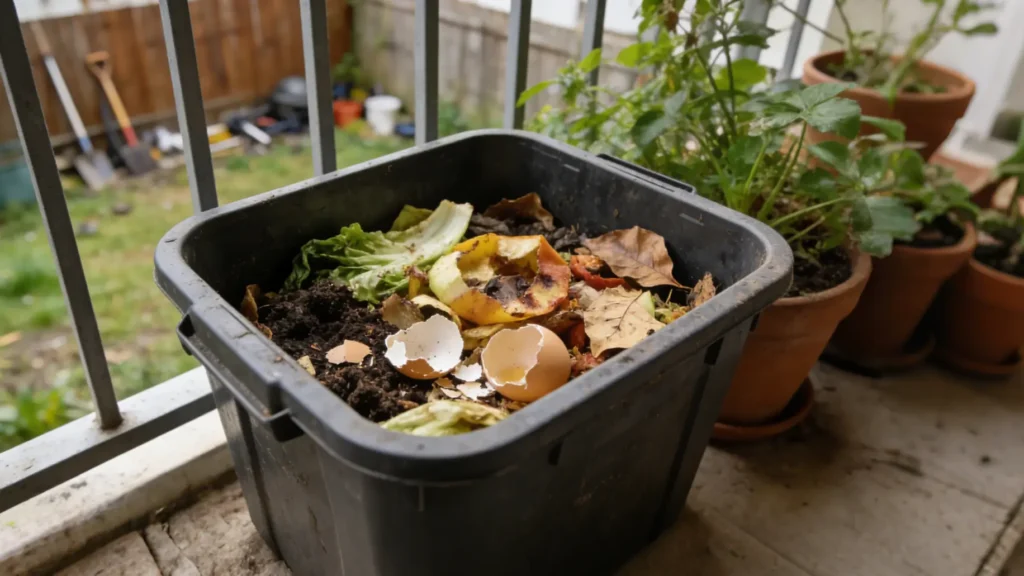
However, a growing gap exists between compostable claims and real outcomes. Many products labeled as “compostable” are designed for controlled, high-temperature industrial facilities—not for backyard bins or community compost piles. When products fail to break down as expected, consumer trust erodes.
This guide focuses on how home composting really works and what types of tableware materials genuinely perform well in real household conditions.
What Home Composting Really Looks Like in Daily Life
Typical Home Composting Conditions
Unlike industrial composting, home composting operates under highly variable conditions:
- Temperatures usually range between 20–40°C
- Compost piles are turned inconsistently
- Moisture levels depend on food waste content
- Decomposition timelines range from 3 to 12 months
Home composting does not reward materials that require perfect conditions. Instead, it favors materials that break down naturally alongside food scraps and garden waste.
Why Many “Compostable” Products Struggle at Home
Many products marketed as compostable rely on industrial composting environments to decompose properly. Materials such as PLA-based bioplastics or paper products with plastic linings often remain intact in home compost systems for extended periods.
When consumers find these materials months later, the result is confusion and skepticism. The issue is not consumer behavior—it is material mismatch.
Home composting success depends less on certification labels and more on how a material behaves under low-temperature, low-control conditions.
Many products marketed as compostable struggle in real home compost systems due to their reliance on high-temperature industrial composting environments. If you’re curious about how industrial composting compares to home composting, check out our article on Industrial vs Home Composting for Restaurants.
What Makes a Product Truly Home-Compostable
Material Characteristics That Matter
To perform well in home composting systems, tableware materials must:
- Be free from plastic or polymer coatings
- Be made from natural plant fibers
- Allow microorganisms direct access to the fiber structure
- Decompose without relying on sustained high heat
To perform well in home composting systems, tableware materials must be free from plastic coatings and made from natural fibers. For more details on how these products compare to industrial composting systems, see our guide on Industrial Composting Facility Standards.
Why Sugarcane Bagasse Fits Home Composting Naturally
This is why products made from pure sugarcane bagasse—such as bagasse plates, bagasse bowls, and bagasse clamshells—are widely accepted in home compost systems without requiring special conditions.
Bagasse is an agricultural byproduct with a loose, porous fiber structure. It decomposes through the same biological pathways as food waste, making it inherently compatible with home composting environments.
This inherent compatibility is also why our bagasse tableware successfully passes the stringent OK Compost HOME certification—a standard designed to simulate real home compost conditions over a 12-month period. This independent verification means brands and consumers can compost with confidence, even outside industrial composting systems.
How Home Compostability Increases Product Appeal
For End Users
Home-compostable tableware simplifies disposal decisions. Consumers do not need to identify special collection streams or worry about making mistakes. Products can be composted together with food waste, reducing friction and anxiety.
For Brands and Foodservice Buyers
Home-compostable tableware made from bagasse helps brands align sustainability claims with real consumer behavior. It reduces the risk of greenwashing accusations and strengthens trust through visible, tangible outcomes.
Practical Home Composting Tips Brands Can Share with Consumers
Brands can further enhance product experience by educating users with simple guidance:
- Break or tear tableware into smaller pieces to speed up decomposition
- Mix products with wet food waste for optimal microbial activity
- Maintain basic airflow in compost bins
- Expect visible breakdown within 4–8 weeks, depending on climate
These small steps help consumers see results faster and reinforce confidence in compostable products.
Brands can encourage consumers to compost more efficiently by offering practical tips, such as breaking tableware into smaller pieces. For foodservice operators and B2B buyers looking for a deeper understanding of how to choose the right composting path, check out our guide on Industrial vs Home Composting for Restaurants.
Bagasse in Your Bin: What to Expect Over Time
Understanding what happens after disposal helps set the right expectations for home composting. Below is a realistic timeline of how pure bagasse tableware behaves in a typical home compost environment:
Week 1 – Initial Placement
Bagasse tableware is placed into the compost bin together with food scraps. Moisture from kitchen waste and organic material begins activating microbial activity.
Week 4 – Visible Microbial Activity
Surface discoloration or mold may appear. This is a healthy sign that microorganisms are actively breaking down plant fibers—not a failure of the composting process.
Week 8 – Structural Breakdown
The tableware softens, cracks, and begins to fragment as the fiber structure weakens and separates.
Month 3–6 – Full Integration
Bagasse fibers fully merge into the compost and are no longer recognizable as tableware, becoming part of mature compost.
Tip: Visible mold is a positive indicator that composting is working as intended.
Ready to Transform Home Composting from a Claim into a Real Experience?
Understanding home composting is one thing—choosing products that truly work in real households is another.
At Ecopulppack, our Pure Bagasse Tableware is designed to perform where consumers actually compost. By selecting materials that naturally decompose under everyday conditions, brands can reduce disposal confusion, strengthen sustainability credibility, and deliver a genuinely circular experience.
Don’t let your environmental commitment stop at the label.
Choose tableware that completes the journey—from use to soil.
📥 *Contact our team to explore samples, customization options, or practical solutions for home-compostable packaging.*
FAQ – Home Composting Questions Buyers Actually Ask
What happens if bagasse tableware is mixed with kitchen scraps?This is ideal. Bagasse decomposes through the same biological process as organic food waste and does not contaminate compost streams.
Can bagasse tableware really compost at home?Yes. Pure, uncoated bagasse products are made from natural plant fibers and are capable of decomposing in typical home compost conditions without industrial heat.
How long does bagasse tableware take to break down?In most home compost systems, bagasse products begin breaking down within several weeks and fully decompose over a few months, depending on moisture and compost management.
Do consumers need special compost bins?No. Bagasse tableware can be composted in standard backyard or community compost systems alongside food waste.