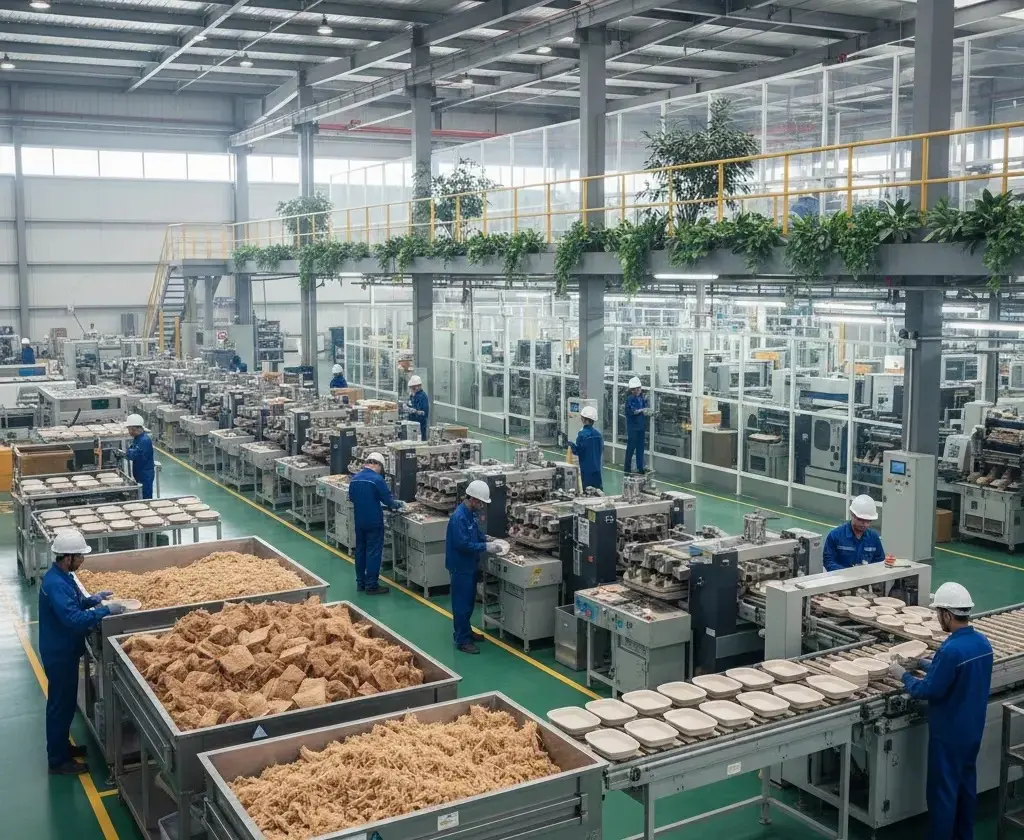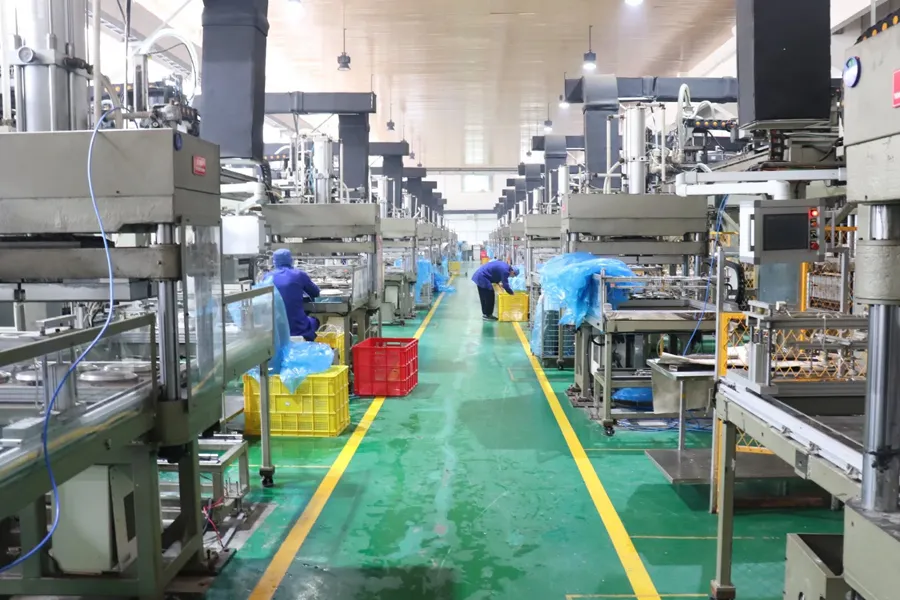

As sustainability becomes a top priority for cafés, restaurants, and catering businesses, many are replacing plastic with biodegradable sugarcane bagasse tableware. But beyond eco benefits, one key question remains: can these containers really stand up to daily use in busy foodservice environments ?
In this durability test, we put sugarcane tableware through common real‑world scenarios—hot meals, oily dishes, delivery, and freezing—to see how it performs in terms of strength, heat resistance, and leak prevention.
Test Setup: How We Evaluated Durability
To make the results meaningful for food businesses, we simulated typical operational conditions:
- Products tested: sugarcane bagasse plates, bowls, clamshell containers, and soup containers commonly used for takeout and catering.
- Food types: hot curries, soups, oily stir‑fries, salads with dressings, and frozen dishes.
- Conditions: microwave heating, hot holding, stacking for delivery, and freezer storage.
- Evaluation criteria: structural strength, deformation, leakage, surface softening, and customer‑safe handling (no bending or collapse).
This structured approach helps foodservice operators understand how sugarcane tableware will behave in day‑to‑day operations, not just in theory.
Strength and Load-Bearing Performance
When it comes to takeaway packaging, durability is critical. Our tests confirmed that sugarcane bagasse containers offer strong load‑bearing performance despite being made from a natural, compostable material.
- Heavy meals: plates and clamshells held substantial portions of rice, noodles, and meat without bending or cracking.
- Stackability: containers maintained their shape when stacked for delivery, helping prevent crushed lids or spilled meals in transit.
For restaurants and catering businesses, this means sugarcane tableware can reliably handle full‑size entrées, combo meals, and party platters without compromising the customer experience.
Heat Resistance: Microwave and Hot Foods
One of the standout advantages of sugarcane tableware is its ability to withstand high temperatures. We evaluated performance with both hot food and reheating:
- Hot filling: containers were filled with freshly cooked, steaming dishes and held their shape without warping or softening.
- Microwave reheating: meals were reheated for short periods; the containers did not melt, deform, or release unpleasant odors.
This makes sugarcane bagasse a practical option for businesses that need packaging suitable for hot dishes, heat lamps, or customer reheating at home or in the office.
Leak and Grease Resistance
Oil and liquid resistance are essential for soups, sauces, and greasy foods. During our tests, sugarcane containers demonstrated strong performance in this area:
- Liquids: bowls and containers held soups and saucy dishes without noticeable seepage or bottom softening within normal serving times.
- Oils and dressings: plates and clamshells resisted grease penetration, helping food stay appetizing and preventing messy hands or bags.
For takeout and delivery brands, this level of leak resistance reduces the risk of complaints about soggy packaging or spilled orders.
Freezer Performance and Storage
In addition to heat resistance, we also tested how sugarcane tableware performs in low‑temperature storage:
- Freezer tests: containers were filled with liquids and ready‑to‑heat meals, then stored in the freezer and thawed. They maintained structural integrity without cracking.
- Long‑term storage: sugarcane bowls remained stable for typical frozen holding periods used in meal prep or catering operations.
This makes freezer‑safe sugarcane tableware a flexible option for businesses that pre‑prepare dishes, store sauces, or operate central kitchens supplying multiple outlets.
Where Sugarcane Tableware Performs Best
Based on our durability test, sugarcane bagasse tableware is well‑suited for a wide range of applications:
- Fast‑casual restaurants and QSRs needing sturdy packaging for combo meals and bowls.
- Catering services serving hot dishes, buffets, and event platters.
- Cafés and meal‑prep brands offering ready‑to‑heat or frozen meals.
- Food trucks and delivery‑focused brands seeking leak‑resistant, eco‑friendly containers.
In these scenarios, sugarcane tableware delivers a balance of strength, heat performance, and sustainability that traditional plastic or foam cannot match from an environmental standpoint.
Practical Tips for Best Performance
To get the most from sugarcane tableware in real‑world use, we recommend:
- Choosing the right thickness and size for heavier dishes or extra‑saucy foods.
- Avoiding prolonged exposure to extreme temperatures beyond recommended limits.
- Storing products in a cool, dry place to maintain strength before use.
These simple steps help ensure consistent performance across different food types and service models.
Conclusion
Our durability test shows that sugarcane tableware is more than just an eco‑friendly alternative—it is a reliable, microwave‑ and freezer‑ready solution designed for modern foodservice operations. From takeout and delivery to catering and meal prep, bagasse containers provide the durability, heat resistance, and leak protection businesses need to serve customers with confidence.
If you are considering switching from plastic or foam, testing sugarcane tableware with your own menu items is the best next step. Contact us to request samples or discuss custom sizes and branding options tailored to your business needs.